Our Baroque course is offered in collaboration with the Academy of Ancient Music (AAM). Laurence Cummings, our course director, is the Music Director at AAM and all of our instrument tutors are principals of their sections at AAM. They all work both as teachers and performers.
Purcell’s Dioclesian
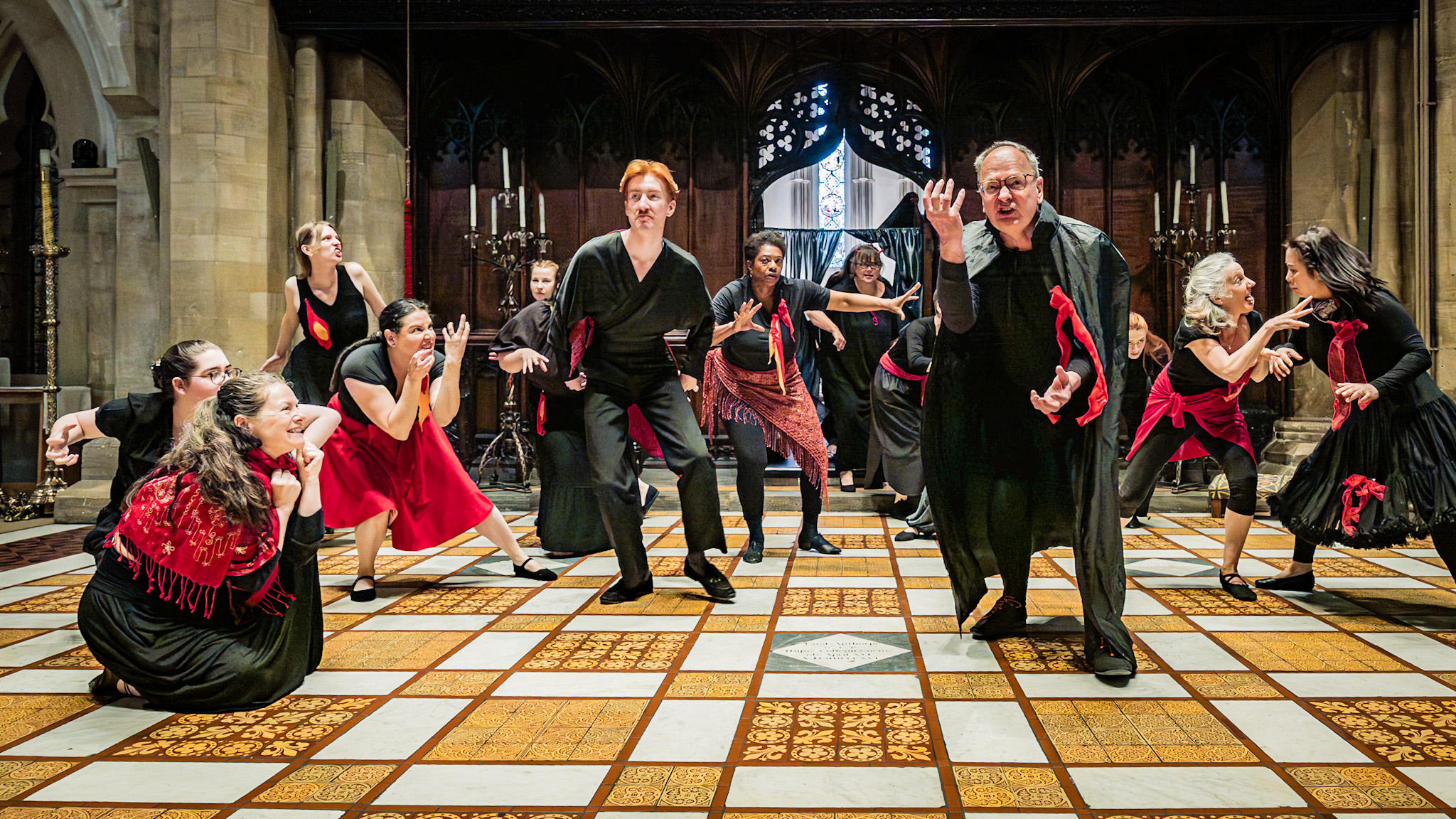
Our Baroque course will focus on Purcell’s semi-opera Dioclesian. Premiered in 1690, the opera follows the story of Diocles, a footsoldier in the Roman army who has been prophesied to become Emperor after he kills a mighty boar… A reflection of the universal struggle between love and duty, the opera explores the power of prophecy and the corruption of ambition. Purcell’s music was composed for an adaptation by Thomas Betterton of the play Prophetess – which was co-written by John Fletcher and Phillip Massinger in the 1620s (published in 1647). Thomas Betterton was a leading actor and playwright during the Restoration and was a favourite of Charles II. Over the course of his long career, Betterton is responsible for many of the innovations that have helped to shape the tradition of English Theatre over the centuries, amid the chaos of William III’s invasion of England.
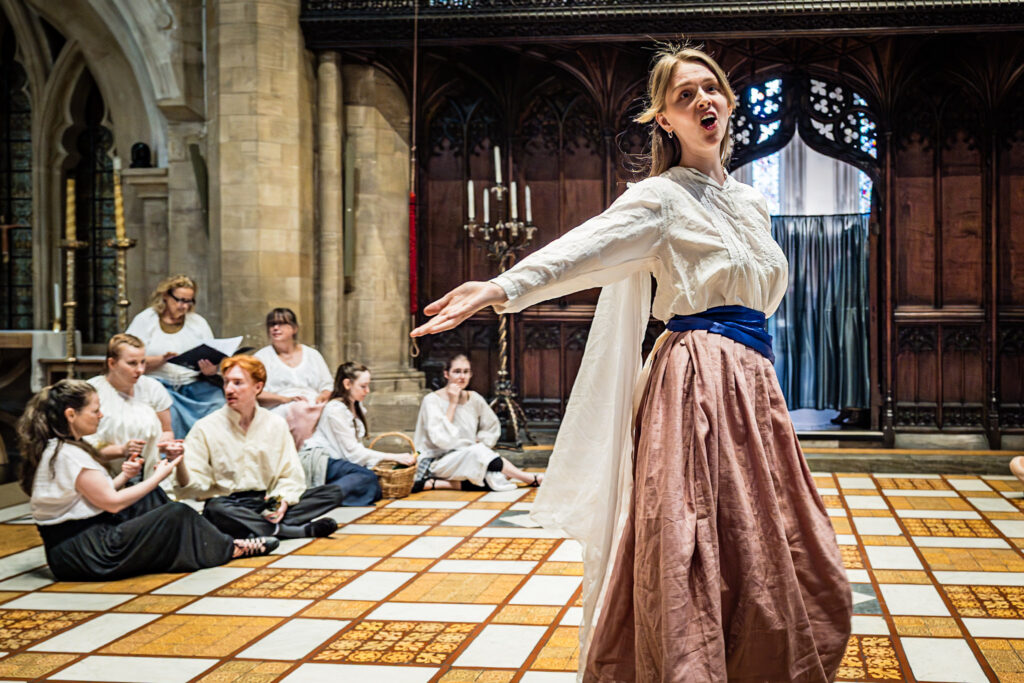
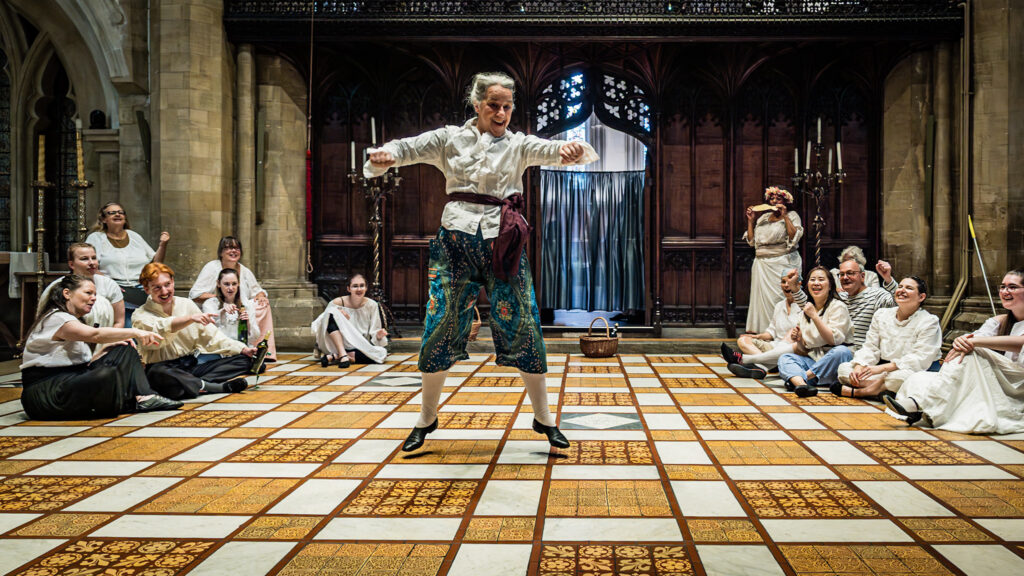
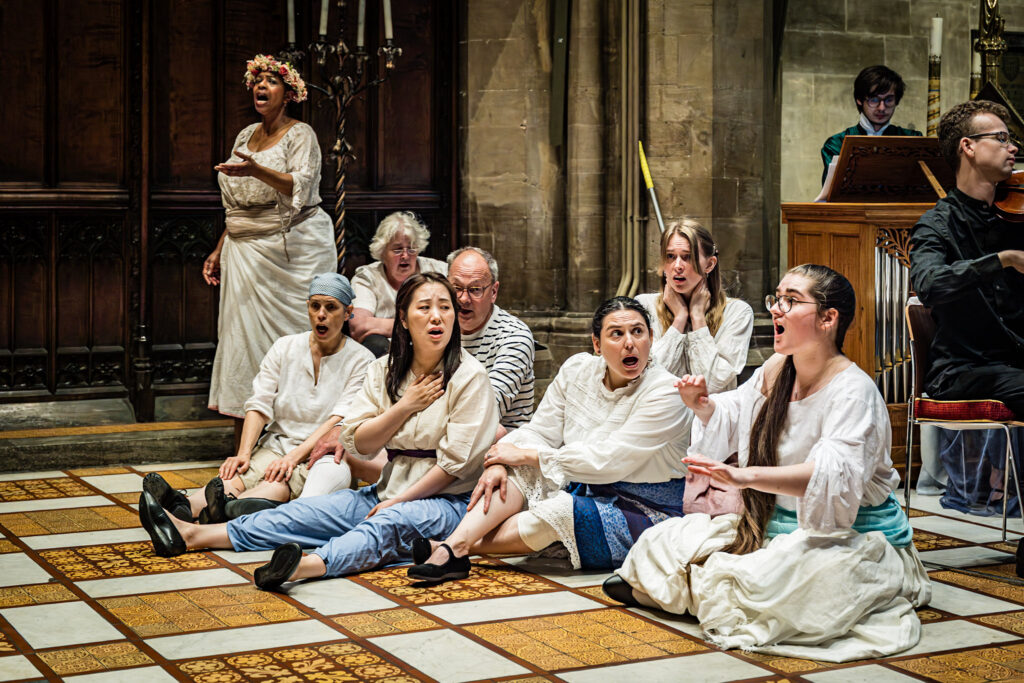
Purcell’s Dioclesian was widely acclaimed at the time of its premiere; and was performed for visiting dignitaries well into the 18th century before slipping from recognition. It is a shining example of the joint power of composition, choreography and writing – with each of the elements: music, dance and speech complimenting each other. During the course we will be preparing for a public performance of Dioclesian conducted by Laurence Cummings and choreographed by Mary Collins with Kath Waters. There will also be opportunities on the course to learn more about the historical context of Dioclesian and the music surrounding Dioclesian through the Chamber Music programme.
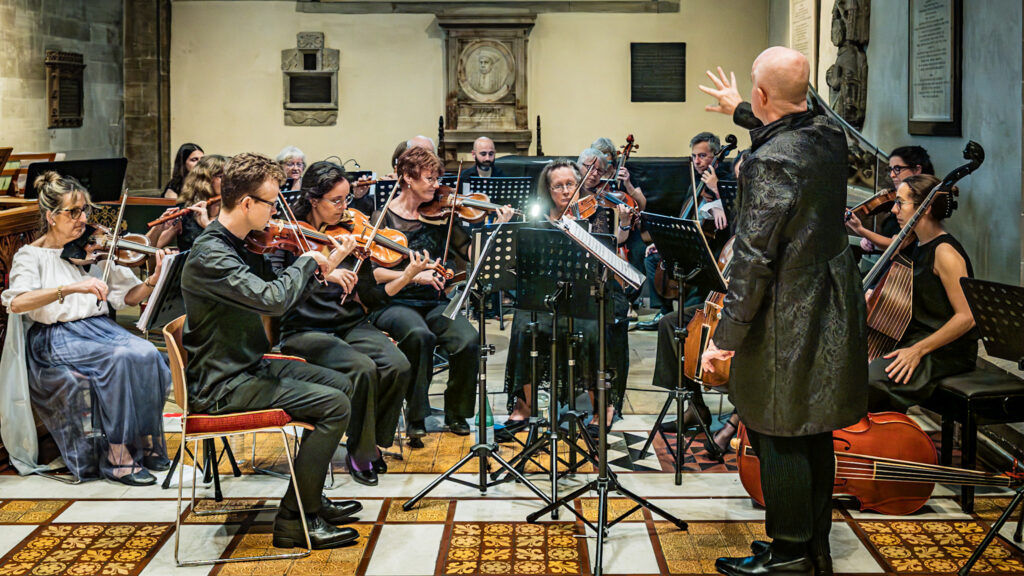
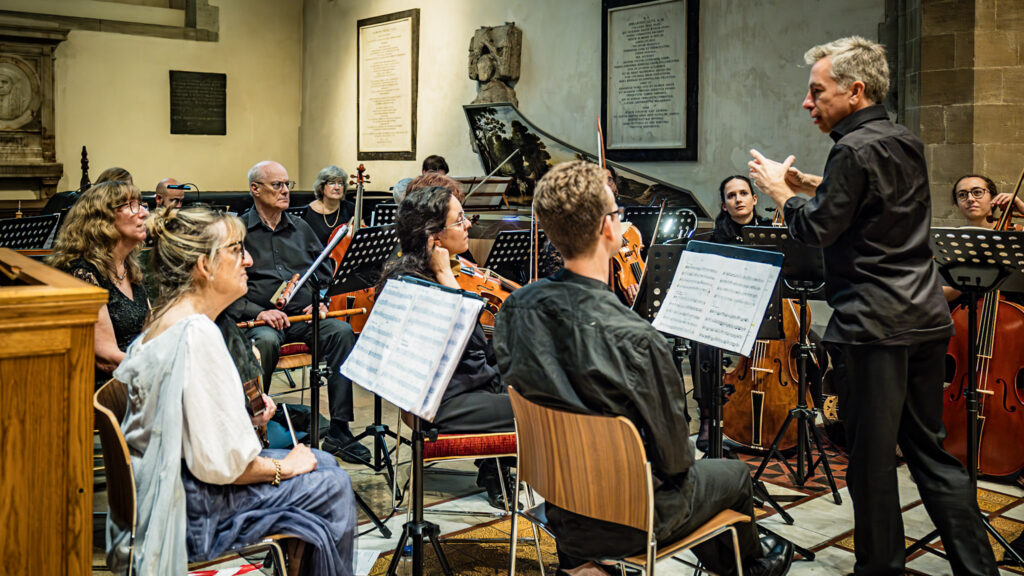
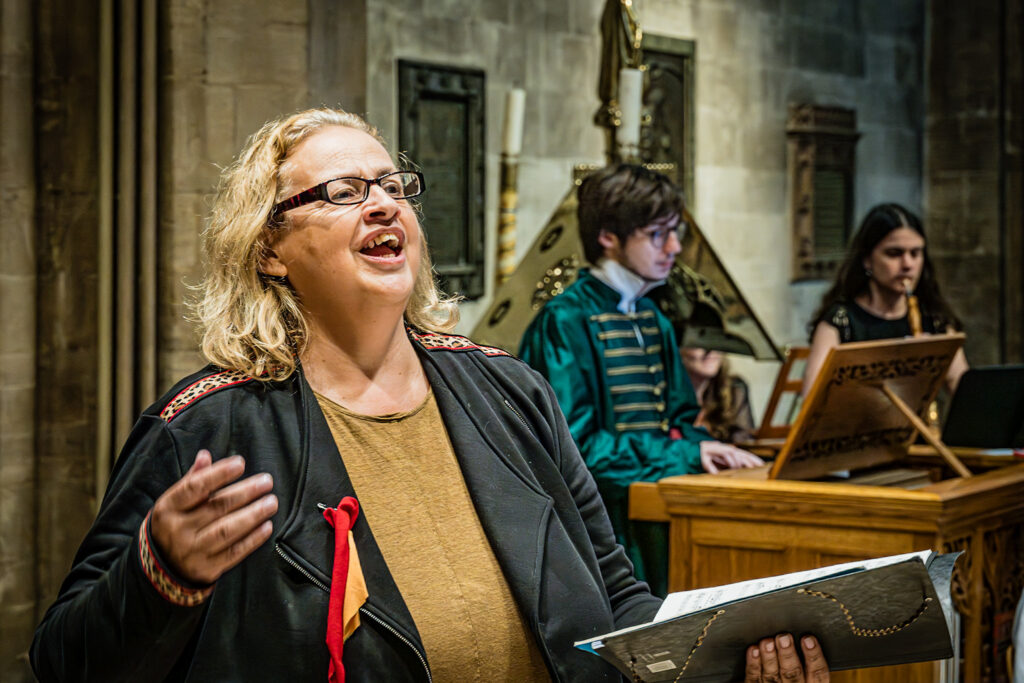
Each day we will offer instrumental classes in sectionals, choral and orchestral sessions, with opportunities for smaller ensemble and individual sessions in the Chamber Music. The vocal allocations for the opera will be organised in advance, alongside the Chamber Music for both instrumentalists and singers. Please indicate on your application if you are interested in singing a solo and if possible include a short sound clip of your singing.
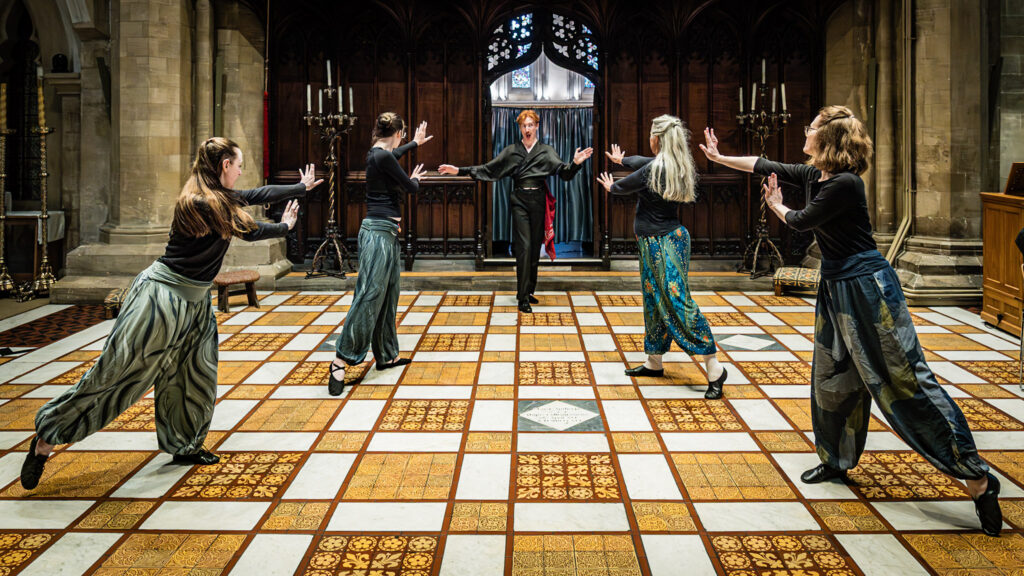
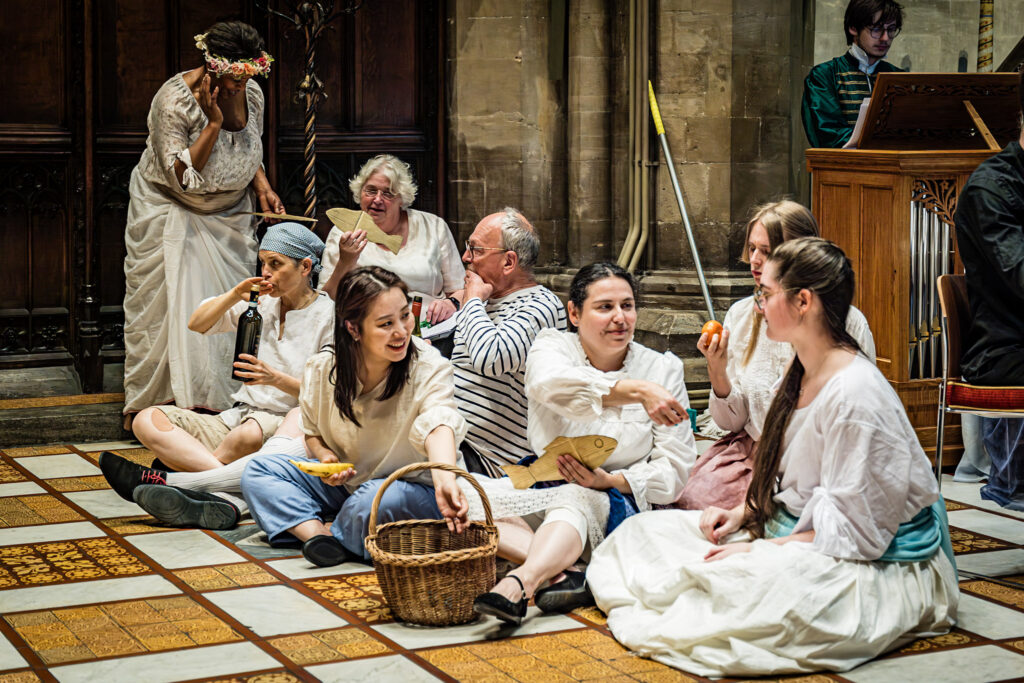
All students will also have the opportunity to work with Mary Collins – an inspirational dance specialist whose research and expertise inspires musicians to look afresh at the dance music which is at the heart of the Baroque repertoire. Dancers applying to the course will also receive coaching from Kath Waters over the course of the week in preparation for the public performance. Learn more about baroque dance.
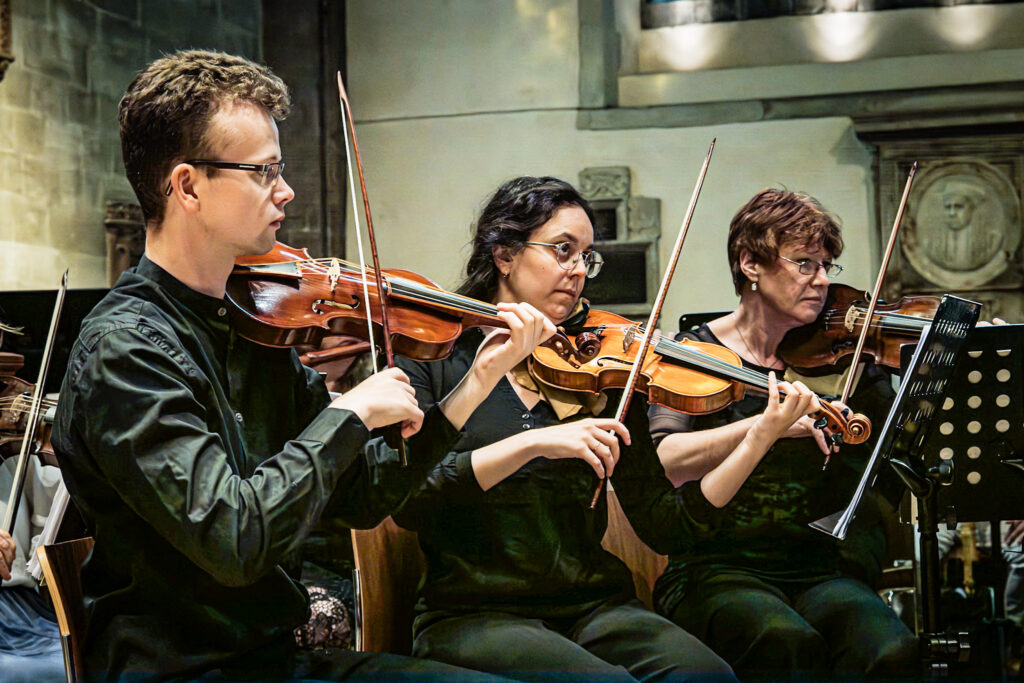
After a successful trial of a Chamber Music programme led by Joseph Crouch in 2025, we will be continuing this programme in 2026. All students will have a choice to be involved in the Chamber Music led by our tutor team exploring the music surrounding Dioclesian and placing the semi-opera in context. The Chamber Music programme will also include limited individual coaching slots for singers which can be signed up for in-person on the course.
During the week there will be opportunity for everyone to perform in the informal concerts. The Chamber Music programme will feed into the course’s informal evening concerts – a welcoming performance environment where you can explore new repertoire after coaching from our team of tutors.
A typical day’s schedule might be:
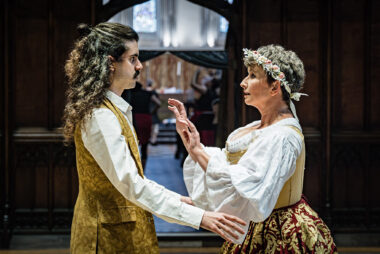
- 09.00 – physical warm-up: stretch class for musicians taken by Mary Collins, including an introduction to baroque dance and stagecraft for everyone
- 09.45 – technique and sectional/vocal/dance classes
- 11.00 – coffee
- 11.30 – sectional/vocal/dance classes
- 13.00 – lunch break
- 14.00 – Free time
- 15.00 – Chamber Music
- 16.00 – tea
- 16.30 – tutti session
- 18.30 – dinner
- 20.00 – informal students’ concerts
- Later – Benslow Music’s bar is open
Tuition will incorporate historically informed techniques and style. Mary Collins will also be available to coach instrumentalists on their dance movements to show how studying dance steps can enhance your musical performance. A selection of music for many combinations of instruments and voices will be provided; you are also invited to bring your own sets of parts and scores.
Participants should arrive in time for the welcome at 4pm on Sunday 26 July. The course ends with breakfast on Sunday 2 August. On Saturday 1 August, course members will participate in a public representation of Dioclesian at a venue in Cambridge.
Is the Baroque course for me?
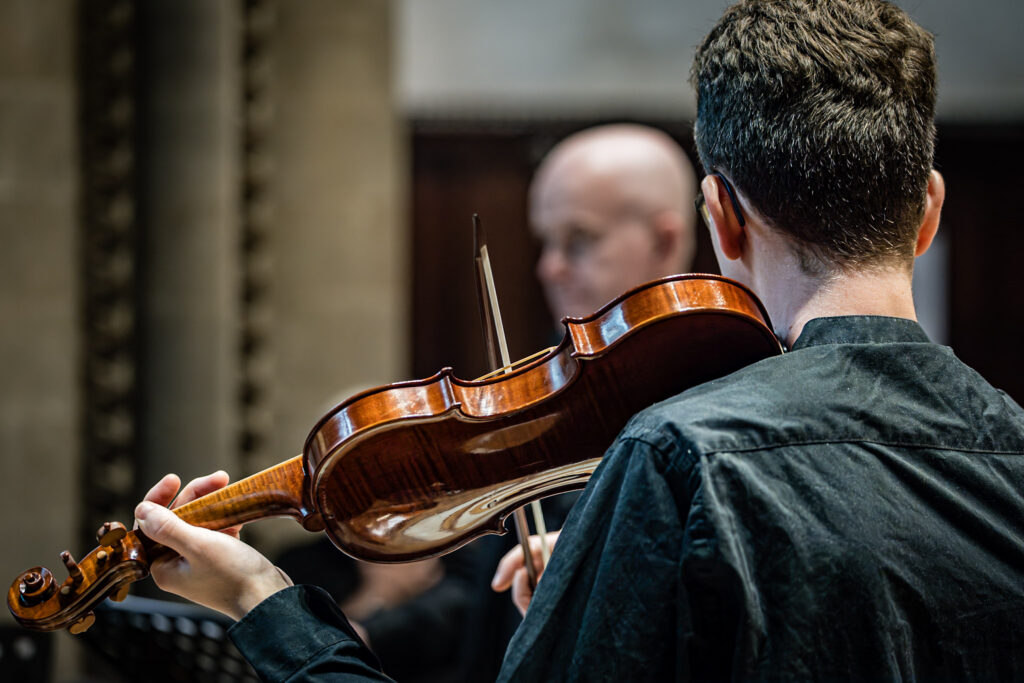
Applications are invited from dancers, proficient singers and confident players of gut-strung Baroque instruments (violin, viola and cello), with Baroque bows (some instruments and bows may be available to hire), bass viol, violone, recorder, baroque flute, oboe, bassoon, lute family and harpsichord/organ (suitable keyboard instruments are provided). Pitch: A=415.
Players should have a good mastery of instrumental technique, but not necessarily any experience of Baroque playing. However, the wind players need to be fluent and confident on their Baroque instruments, able to sight-read solos with confidence. Continuo players should have a good knowledge of figured bass.
Singers should be experienced and fluent sight-readers; they may be encouraged to take solo parts as well as singing in ensembles.
Pre-existing groups are welcome to apply together, and may bring prepared music for coaching in some of the chamber music sessions. Non-singing/playing observers are welcome if we have space.
Venue
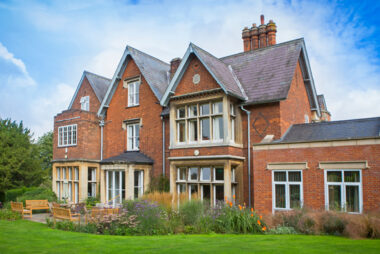
Our 2026 course will be held at Benslow Music, Hitchin, just a 30-minute train ride from Cambridge or London. An ideal base for exploring some of England’s most beautiful countryside, the historic town of Hitchin with its fine parish church is a destination in itself. There is also plenty of free parking.
Benslow Music has ten designated rehearsal and practice rooms, including two halls suitable for larger ensembles and public events. They possess a fine Goble harpsichord modelled on a 1727 Christian Zell original as well as virginals, a spinet and a restored Broadwood square piano dating from the 1820s.
Benslow Music provides a wide range of comfortable bedrooms with ensuite or shared bathroom facilities, enviable catering and all sorts of rehearsal and practice rooms. The beautiful gardens provide an inviting space in which to relax and regather energies between sessions. Additionally, all summer school participants will be able to make use of Benslow Music’s extensive music library during their course. Find out more about accommodation on Benslow Music’s website.
Fees and bursaries
Find all information on fees and on how to pay the deposit.
The Selene Webb (née Mills) Memorial Bursary Fund supports those whose financial situation would prevent them from attending our courses without assistance, particularly music students and those setting out on a career in music. Find out more on how to apply for a bursary. Partial bursaries are available for dancers from The Early Dance Circle – The EDC welcomes applications from anyone who would like to learn more about the practice of early dance. For further details, please see their website.
In collaboration with the Academy of Ancient Music.