Ahead of Arcangelo’s concert on 31 October, we asked Nicholas Kenyon to tell us more about ‘The Music more full than it was’.
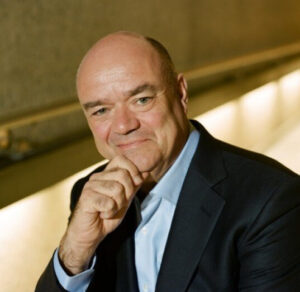
Arcangelo’s new project focuses on the English Baroque, specifically the Restoration period after the English Civil War. What drew you/Arcangelo to this repertoire in particular?
Given the huge success of Arcangelo’s work with Handel, especially the recordings of Theodora and the Chandos Anthems, it seemed natural for them to explore the musical background to Handel and the English Baroque. The immense period of creativity that was unleashed with the Restoration and the reign of Charles II was a hugely significant period in British musical culture, and it led to Purcell and then to Handel. This is the time of great baroque architecture by Hawksmoor, Vanbrugh and Gibbs (such as you can find in Cambridge!) and the music has an equal power.
What are some key musical elements the audience can listen out for?
I think the range of influences on the music of this period is very striking, and we’re highlighting that in the music chosen — the impact of the French style, the impact of the Italian style will be very evident from the way the programme has been put together.
Are there any previously unknown (or little-known) composers who you are excited to showcase in ‘the music more full than it was’?
Watch out for Pelham Humphrey! Hardly unknown, but not regularly performed and yet full of wonderful word setting and eloquent lines.
Arcangelo are producing a book and an online guide to sit beside this concert series. Do you feel it is important to place the music in its wider historical context?
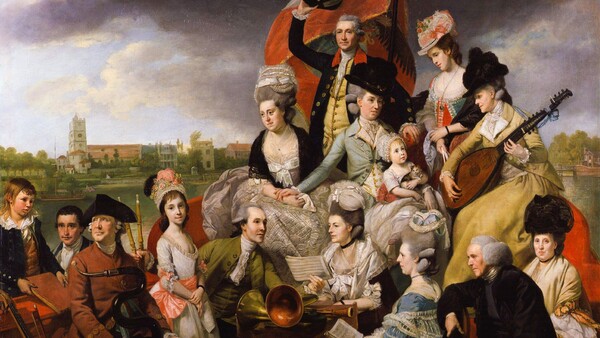
I have always believed throughout my time as a writer rather than a musician that context matters, and that the more support can be given to musicians in getting their music-making across etc the widest public, the better. This book and online guide which Kirtsen Gibson has edited for us is absolutely exemplary in the way it paints a picture of the time, of the cultural impetus that had been kept other suppressed during the pre-Restoration period. The historian Roger North wrote that “music held up her head..in private society”. And then suddenly there it was back on public display. There’s lots to explore and lots to learn about this period, and the book provides a great guide.
What repertoire are you personally most excited to hear in ‘the music more full than it was’?
Well of course I want to hear it all and the musical story it tells, but let me just choose our concluding work, Handel’s Chandos Anthem “O Praise the Lord with one consent”. It starts with a motto theme like the famous St Anne hymn tune, and develops the most glorious web of counterpoint. All the movements are compressed —short, thrilling alterations of solos and chorus. It works up to one of Handel’s peerless, virtuosic choruses “Your voices raise” with running Alleluias in all the voices. It lifts the spirit and refreshes the soul!